A recurring topic for Chelsea this season, alongside issues with red cards, has been their vulnerability to long throws.
The team has been undone by this specific set-piece on multiple occasions, conceding crucial goals against opponents like Brentford, Sunderland, and Wolves in the Carabao Cup.
This trend is increasingly common across the league, making it a strategic challenge that requires a solution.
Manager Enzo Maresca has consistently stated he will not adopt the tactic himself, but he may have developed a defensive approach to counter it, even if it carries an element of risk.




Enzo Maresca’s Long throw solution
In the recent match against Tottenham Hotspur, a game which Chelsea won, Maresca clearly anticipated Thomas Frank’s side would utilize long throws.
The plan for the London rivals involved using Kevin Danso to deliver these throws, but unlike previous matches where Chelsea struggled, they managed the situation effectively.
The strategy was straightforward yet deliberate.
Instead of committing all outfield players to an aggressive defensive header contest in the penalty area, Maresca instructed three of his players to remain positioned outside the 18-yard box.
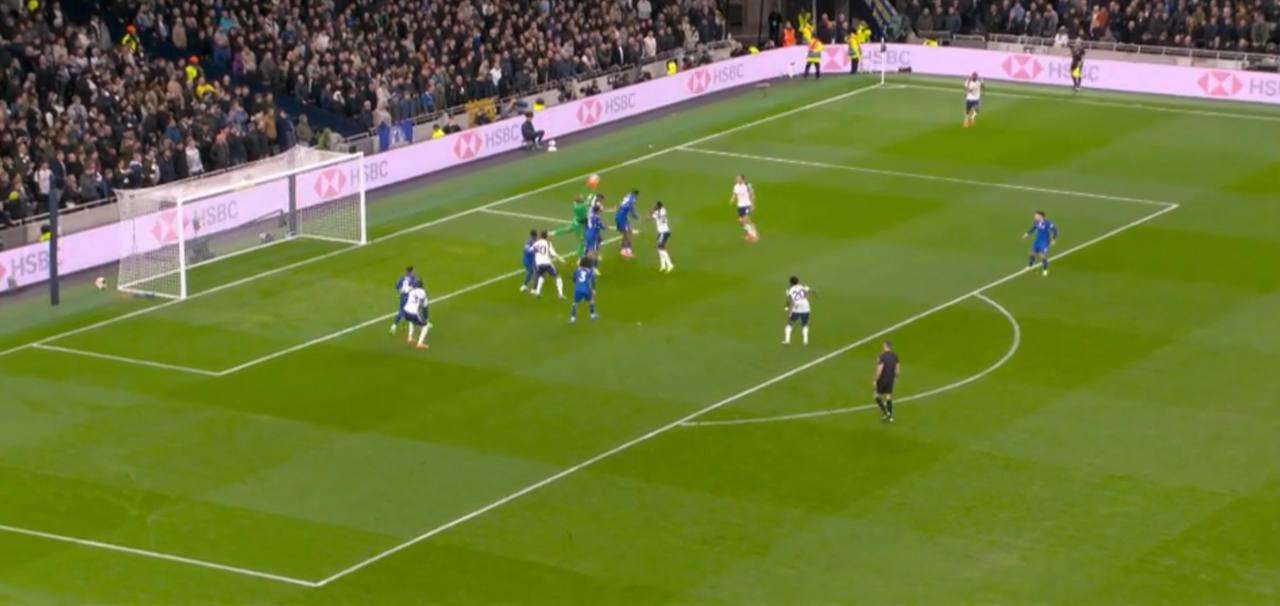
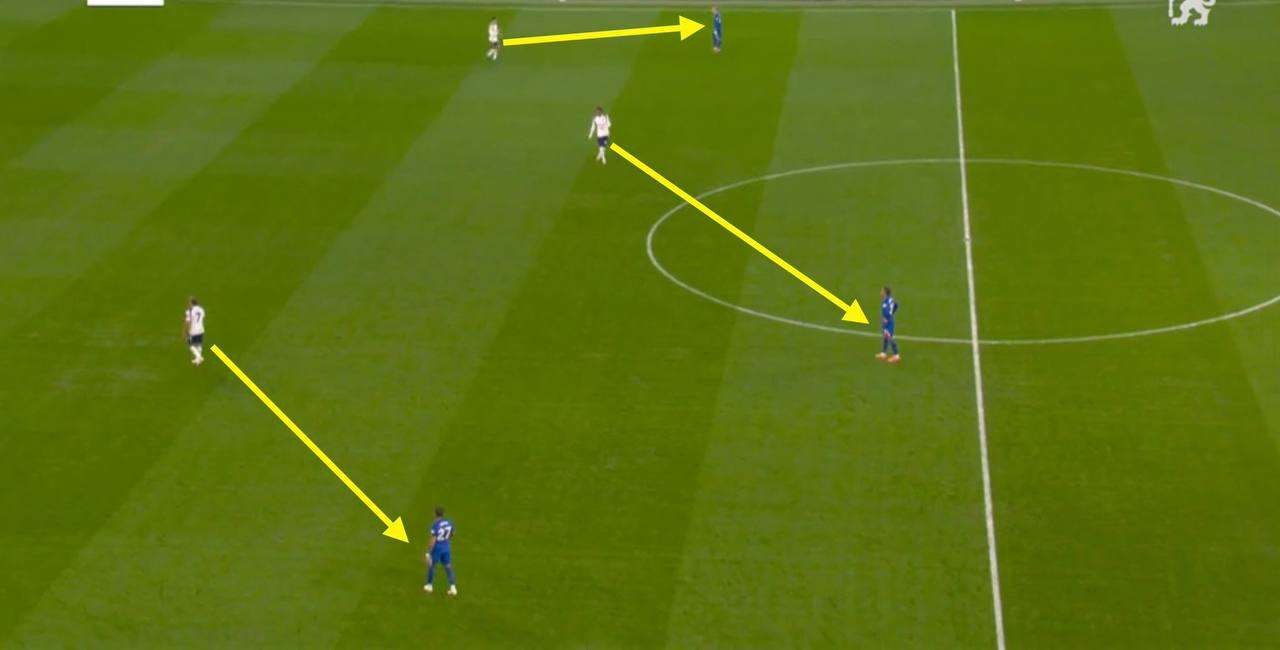
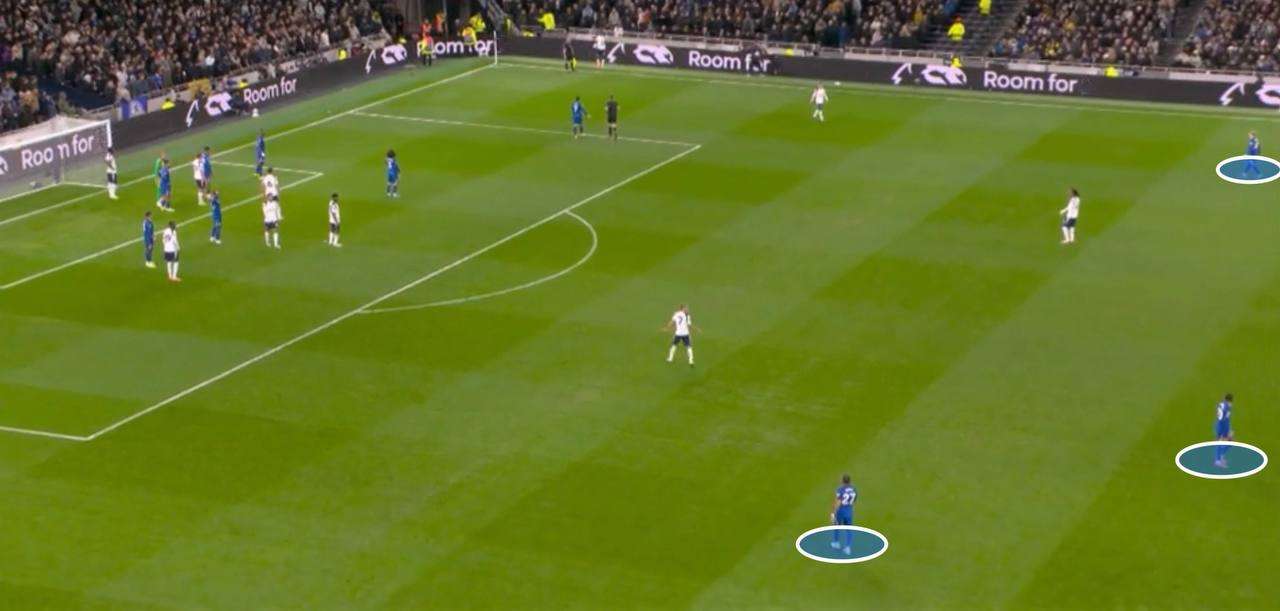
This tactical design makes considerable sense when analyzing Chelsea’s strengths and weaknesses. The primary benefits are threefold.
First, by leaving three players in advanced positions, it creates immediate indecision for the opposition.
They are forced to keep more defenders back to manage a potential counter-attack, which in turn clears vital space inside the penalty box.
A less crowded area is easier for defenders and the goalkeeper to navigate.
Second, the strategy directly leverages the specific skills of goalkeeper Robert Sanchez.
While Chelsea’s defensive line has been susceptible in their own box, Sanchez is recognized as one of the league’s most assertive goalkeepers when claiming crosses.
The solution, therefore, is to create that cleared space to allow him to be aggressive and command his area, effectively neutralizing the aerial threat.
Finally, this setup transforms a defensive situation into a potent attacking opportunity.
The moment Sanchez secures the ball, he can launch a rapid counter-attack, seeking out the three forwards who are often left in advantageous one-on-one situations against a disrupted and outnumbered defense.
The Weaknesses
Despite its clever design, this approach is not without its inherent vulnerabilities. The most significant trade-off is having fewer defenders inside the penalty area to challenge for the initial header.
This places immense pressure on Robert Sanchez to make a perfect decision and execution every single time.
Any hesitation from the goalkeeper, a misplaced punch, or a flick-on from an opponent could lead to a catastrophic scoring chance, as attacking players may be left unmarked in dangerous positions.
Consequently, while offering a structured counter, the strategy remains a high-stakes gamble that depends on flawless execution from the entire defensive unit to avoid being exposed.