Chelsea’s midfield rebuild took another twist on deadline day, and this time it worked against them.
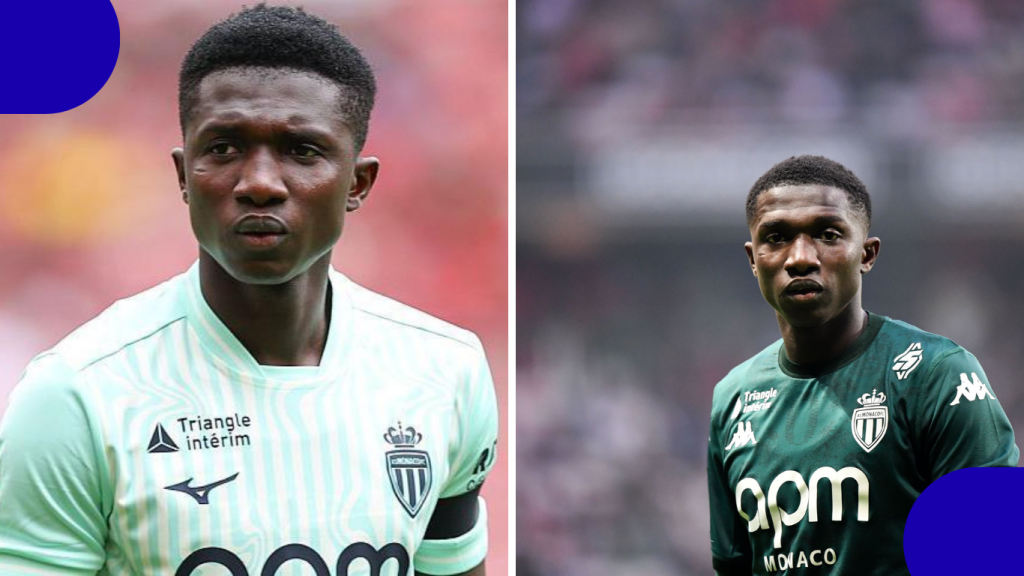
Having already sold Enzo Fernandez to Man City for a British record £125m, the Blues moved to bring in Monaco’s Lamine Camara as a direct reinforcement, only to see the deal fall apart in the final hour of the window.
The collapse followed two rejected bids, not the other way around. Chelsea’s opening €45m offer for Camara was turned down, then a second bid worth around €50m/£47m was rejected too.
With Camara looking increasingly unlikely at that point, Chelsea scrambled for alternatives, exploring a move for Roma’s Manu Kone, whose manager Gian Piero Gasperini blocked any sale, and making approaches for three Premier League names in Lucas Bergvall, Martin Zubimendi and Morgan Gibbs-White. None of those came off.
It was only after those alternatives fell away that the Lamine Camara deal was revived.
Personal terms were finalised, an emergency meeting was called at Monaco, and a full agreement was eventually struck between the two clubs at £47m on a 6+1 year contract.
Lamine Camara underwent a medical under Chelsea’s supervision and was due to fly into London the following day.
Then, just after the 23:00 BST deadline passed, Monaco reneged on the written agreement entirely, leaving Chelsea without their intended reinforcement.
Here’s exactly how the collapse unfolded, and what Chelsea’s options looked like once it happened.

How Chelsea’s Two Camara Bids Were Rejected
Chelsea’s move for Camara began on deadline day itself with an opening offer worth €45m (£38.5m).
Monaco turned it down quickly, unwilling to let a player they viewed as a long-term building block leave on the cheap. Chelsea returned with an improved bid worth around €50m (£47m), only for Monaco to reject that one too.
Sky Sports News reported both rejections in close succession, with Monaco showing no obvious sign of budging even as the 23:00 BST deadline closed in.
With two clean knockbacks on the same target and Fernandez’s own move to Man City edging closer, Chelsea needed a plan that didn’t depend on Lamine Camara alone.
Chelsea’s Midfield Alternatives After Camara Bids Failed
Rather than wait on Monaco, Chelsea widened their search.
Roma’s Manu Kone was already on the radar and reportedly discussed at around £52m, but Roma manager Gian Piero Gasperini made his position clear early, he had no intention of sanctioning a sale before the window shut.
Chelsea then turned to three established Premier League names. Tottenham’s Lucas Bergvall and Arsenal’s Martin Zubimendi were both floated as targets, with Arsenal boss Mikel Arteta having already stated publicly that Zubimendi wasn’t for sale.
Nottingham Forest’s Morgan Gibbs-White was also discussed, though reports at the time suggested a deal for him was unlikely.
None of the three ever became a formal Chelsea bid. With Kone blocked and the Premier League trio going nowhere, Lamine Camara remained the most realistic route back into the market, and Chelsea circled back to Monaco for a third attempt.
How Chelsea and Monaco Finally Agreed Terms
The breakthrough came late. Lamine Camara agreed personal terms on a long-term contract with Chelsea, and Monaco called the player into an emergency meeting with the club hierarchy, head coach Filipe Luis and his agent to decide whether to sanction the move before the deadline.
Complicating matters, Monaco’s own sale of striker Folarin Balogun to Everton had hit trouble over reported medical issues, initially making the club more open to cashing in on Camara instead.
A full agreement was eventually struck at £47m on a 6+1 year contract. Lamine Camara underwent a medical under Chelsea’s supervision, and reports had him due to fly into London the following day.
Fabrizio Romano confirmed the medical was already underway, with the deal appearing all but done. See his post below.
🚨 Lamine Camara from AS Monaco to Chelsea collapses. #CFC say full written agreement found for 22yo midfielder to join before #ASMonaco reneged following renegotiation of Folarin Balogun transfer to Everton. Senegal international’s move off @TheAthleticFC https://t.co/l2TyjsmAqB
— David Ornstein (@David_Ornstein) September 1, 2026
Fan excitement built quickly, with “Welcome to Chelsea” content already circulating well before the move was formally announced.
Why Monaco Reneged on the Camara Deal
The turnaround came from an unrelated deal. Monaco and Everton managed to rescue the Balogun transfer after all, resolving the medical concern that had briefly put it in doubt.
That removed Monaco’s urgent need for the cash a Camara sale would have brought in.
Just after the 23:00 BST deadline passed, Monaco informed Chelsea in writing that they were pulling out of the agreement entirely, despite the medical having already taken place.
David Ornstein confirmed the U-turn, reporting that Chelsea considered it a genuinely written and signed agreement that Monaco had simply walked away from. See his post below.
🚨 Lamine Camara from AS Monaco to Chelsea collapses. #CFC say full written agreement found for 22yo midfielder to join before #ASMonaco reneged following renegotiation of Folarin Balogun transfer to Everton. Senegal international’s move off @TheAthleticFC https://t.co/l2TyjsmAqB
— David Ornstein (@David_Ornstein) September 1, 2026
Chelsea’s reaction was blunt. Sky Sports’ Kaveh Solhekol reported the club felt Monaco had acted in a deeply unprofessional way, having already gone through with Fernandez’s exit to Man City in good faith.
With the window shut and no fallback option left after the earlier scramble for alternatives, Chelsea ended deadline day having sold their first-choice midfielder without bringing in a direct replacement.
FAQ
Why did Chelsea’s Lamine Camara transfer collapse?
Monaco reneged on a signed agreement after rescuing their own sale of Folarin Balogun to Everton, which removed their need for the cash a Camara sale would have brought in.
How much did Chelsea offer for Lamine Camara?
Chelsea had two bids rejected, an opening offer of €45m (£38.5m) and an improved bid of around €50m (£47m), before eventually agreeing a fee of £47m on a 6+1 year contract.
What other midfielders did Chelsea consider besides Camara?
Chelsea also explored a move for Roma’s Manu Kone, who was blocked by manager Gian Piero Gasperini, along with Tottenham’s Lucas Bergvall, Arsenal’s Martin Zubimendi and Nottingham Forest’s Morgan Gibbs-White, though none of those approaches led to a bid.
Did Chelsea sign a replacement for Enzo Fernandez?
No. After the Camara deal collapsed following the transfer deadline, Chelsea were left without a direct midfield replacement for Fernandez’s £125m move to Man City.